In cases like these I'm even happier not to have children. Not just because it means I can blow my whole paycheck on myself and wake up whenever I like. And certainly not because I wouldn't know how to raise them right, of course I would, I'd forbid my kids from going live on TikTok while I relax watching the workmen of Maggi Spurghi film the crap coming out of an apartment block's pipes, handing them both a bad example and an excuse to disobey me. I'm happy because I don't have to decide which way to make them miserable: whether to let them stay online all the time or forbid it. And above all, I'm happy not to have a firm position on the matter, so I don't have to bother defending it.
The news is that the British government has announced a social media ban for under-16s, following the Australian example (which set the limit at 16) and slotting into an international trend of restrictions on minors' access to social media. The argument is that social media isn't a pastime like any other, but environments designed around human vulnerabilities (they're closer to slot machines than to a moped). Positions range from the naivety of those who cry "you can't ban things, this is prohibitionism!" to those who think the State can stand in for them as parents. The kind who hand their kids the iPad at the restaurant so they can have a conversation without being interrupted.
The temptation is to remember how we were. In my day I got parked with my grandparents, who in turn parked me at the bar to play pinball or in front of the television watching Japanese cartoons. A little older, I played Nintendo and then PlayStation until my eyes turned red. Then I had a cellphone that did only three things: call, send messages, and play Snake. I had no one to text, and besides, it cost too much. By the time I was 13 I was very bored, I was unhappy, especially in summer, because I had too much free time to fill and nothing to do. My diet of television to the point of nausea, video games and messing around was hardly any healthier than today's. I was insecure, I didn't like myself and I fell asleep counting my flaws. I was unhappy and dysmorphic, just like the kids today.
The difference, though, is that television could turn your brain to mush for an afternoon, but it didn't learn from your mush to build you the next afternoon. The PlayStation kept you glued to a screen, but it didn't turn every insecurity into a social metric. Snake was a waste of time, but not the measure of my place in the world.
The defining trait of every contemporary Western teenager is having plenty of time to throw away. When I see them waiting ten, twenty, thirty minutes for the bus I think of all that wasted time, then I remember they have nothing better to do. Maybe it would have been better to send me out to work early. If I can't say we were better off without social media, I'll say we were better off when there was child labor.
So what should we make of the social media restrictions for those under sixteen? The first deception is treating these devices as tools. Social media, the libertarians say, are just tools, and it depends on how you use them, they shouldn't be banned. McLuhan is shaking his head hard. YouTube, TikTok, Instagram and all the rest change our perceptual rhythm, the shape of attention, the sense of self and our relationship with others. Which is why there are people who, before falling asleep, don't read Kant but scroll through dozens of videos and send them to their friends. Friends who won't watch these videos but will send you the videos they've seen. In a loop of insomnia.
Granting that a ban exists that a teenager can't get around, the second deception is believing the State can teach you how to be bored. And right after that I ask myself: are we sure being bored is edifying? I was bored out of my mind as a kid and I didn't take up reading all the books. I stayed in my unhappiness. Did that boredom teach me anything? I'd say no. I survived, but I was also bored shitless.
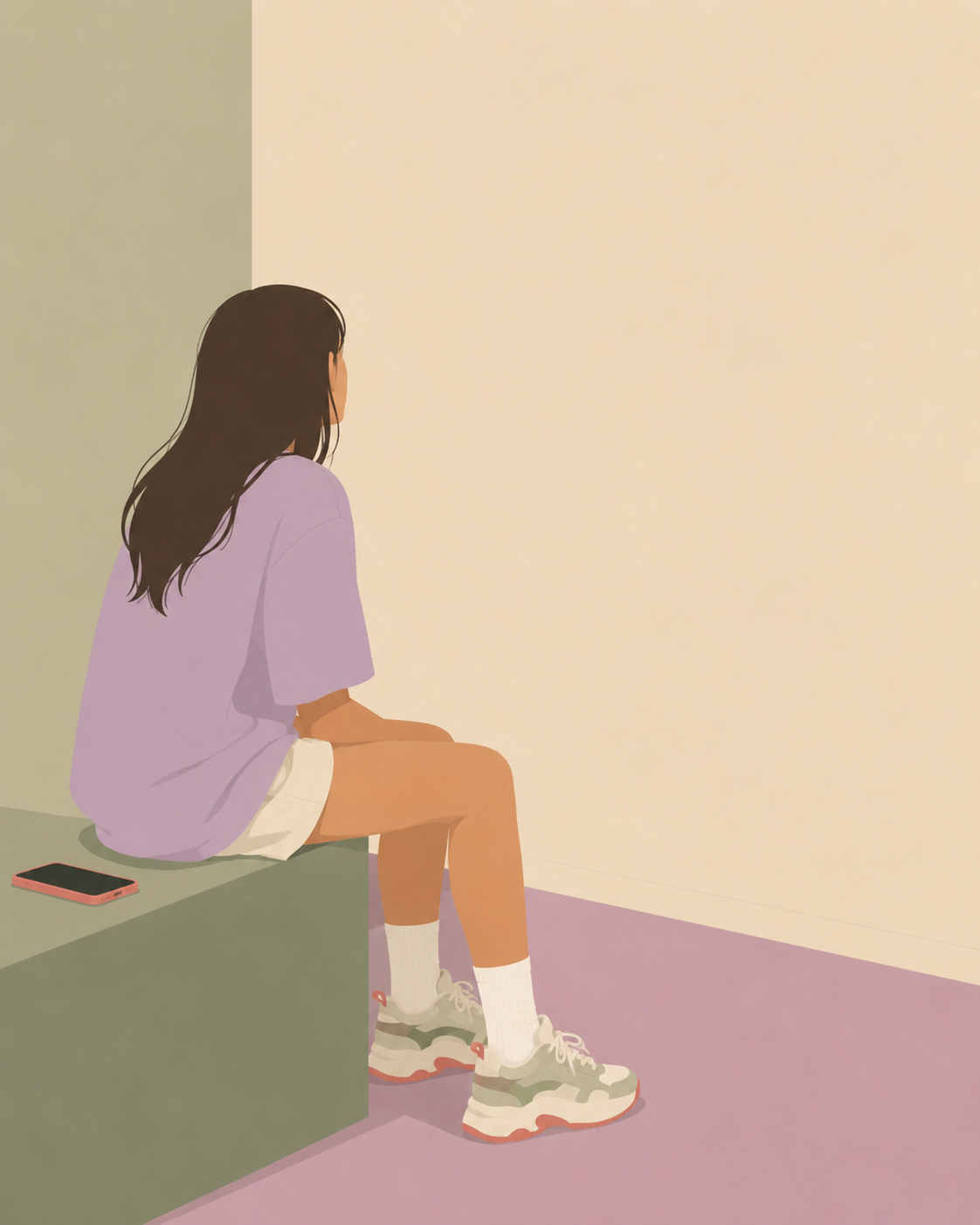
We've attributed an enormous power to social media, and now we attribute to their absence an almost magical power. As if, once Instagram is gone, the long afternoons, the conversations, the real friendship would automatically reappear. A teenager without social media doesn't become Umberto Eco: he can simply be bored worse, feel bad more quietly, or do like the girl who answers the BBC reporter asking her how she'll organize her days without social media from 2027, filling the 9 free hours she'll have left: "I'll stare at the wall."
Who's more naive: the one who thinks kids can manage their own free time inside platforms designed not to let them manage it, or the one who thinks the State can stand in for parents with an age-verification screen? Maybe staring at walls is the better bet.