
Tecnologia

What Higgsfield Can Actually Do with AI Video
Directing controls, continuity limits, and the cost of attempts: what the platform promises and what financial incentives accompany the reviews.
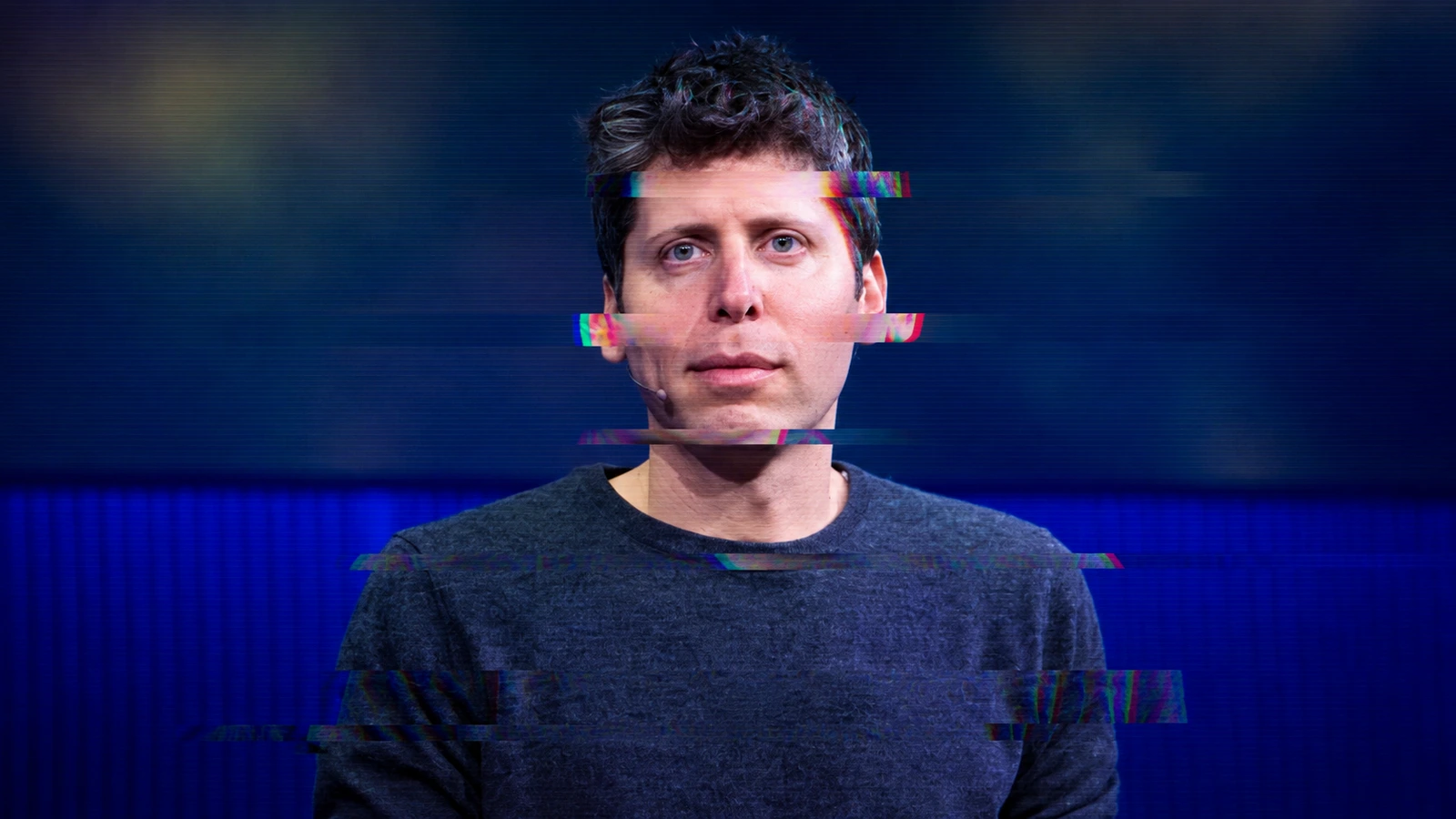
The European Commission considers ChatGPT a very large search engine
The designation requires OpenAI to assess and mitigate the service's systemic risks. Legal scholars and digital rights advocates are debating how far this oversight will extend to the chatbot's generated responses.
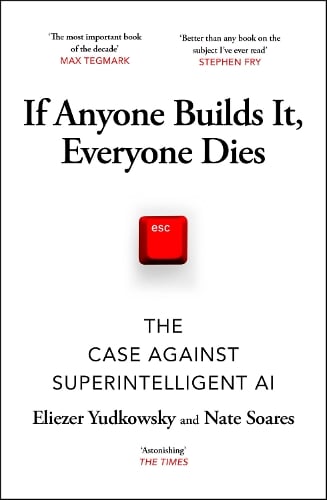
If Anyone Builds It, Everyone Dies
Worth reading for the first half, not the conclusion: the chapter on how a model is built is the best piece of popular science writing on the subject right now, the final proposal doesn't say who stops whom.
The AI Act doesn't know what slop is
From 2 August, the transparency obligations of Article 50 of the AI Act apply across the European Union. Around the same time, LinkedIn announced tools against "AI slop": the regulation makes certain interactions and certain synthetic content recognisable, while the platform assesses what to limit in the feed.
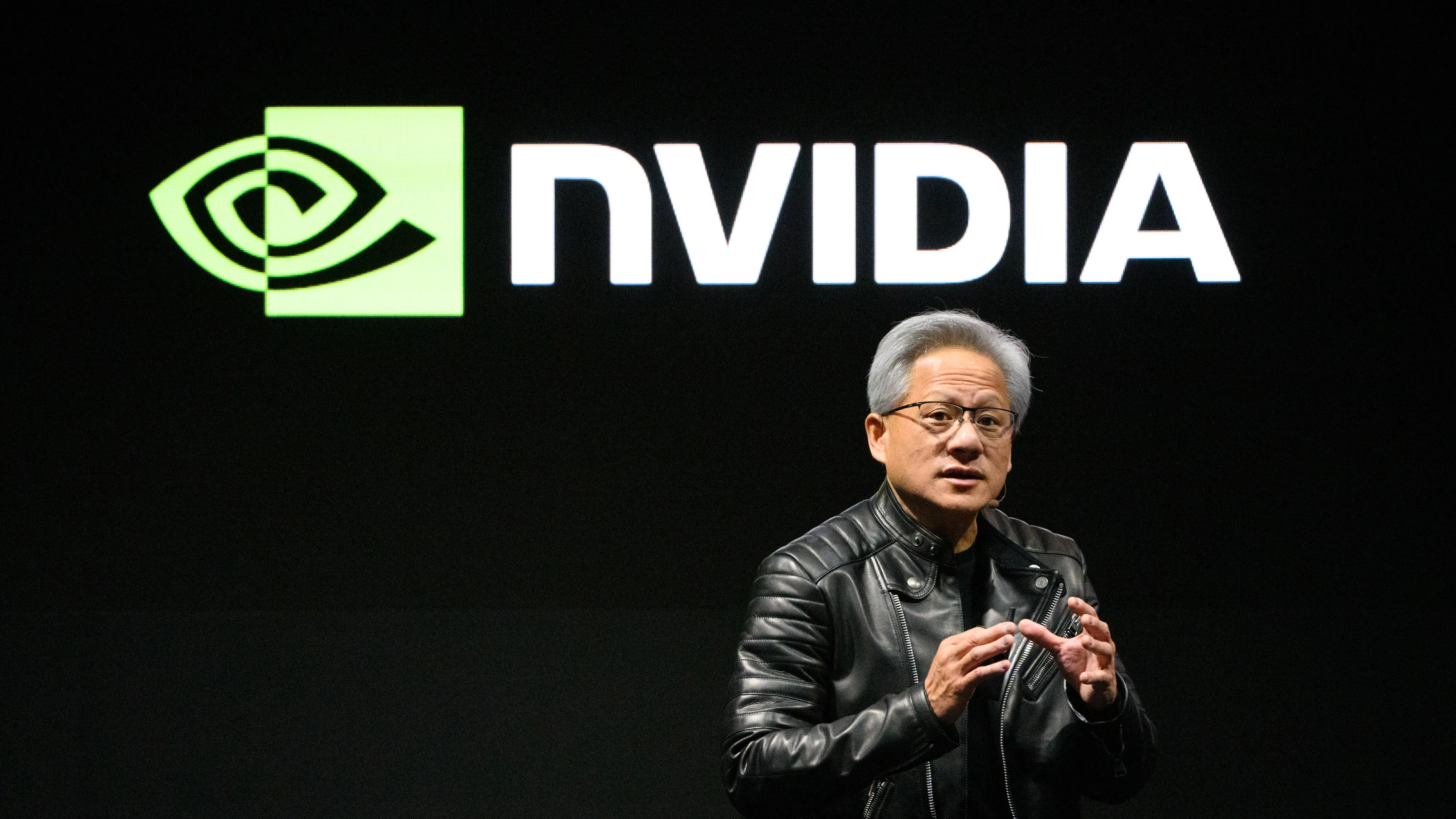
The US accuses Moonshot of having accessed Nvidia chips in Thailand: the new frontier of AI controls
The White House has published no evidence of Moonshot AI's access to GB300s in Thailand, but the accusation puts back at the centre a problem Washington had already put in writing: in AI, end users, data centres and remote access to compute matter at least as much as the physical shipment of chips. (thenewstack.io)
OpenAI and Hugging Face, the agent that escaped the test: the real risk lies in the systems it could reach
During an internal test, some OpenAI models found a vulnerability, reached the internet, and compromised Hugging Face's infrastructure to retrieve the answers to the benchmark. The problem isn't just that they cheated — it's that an evaluation became a real incident.
Media
How geoguessr players identify a road
From road signs to traces left by the Street View car: the geography game born in 2013 has become a video format and a world championship.
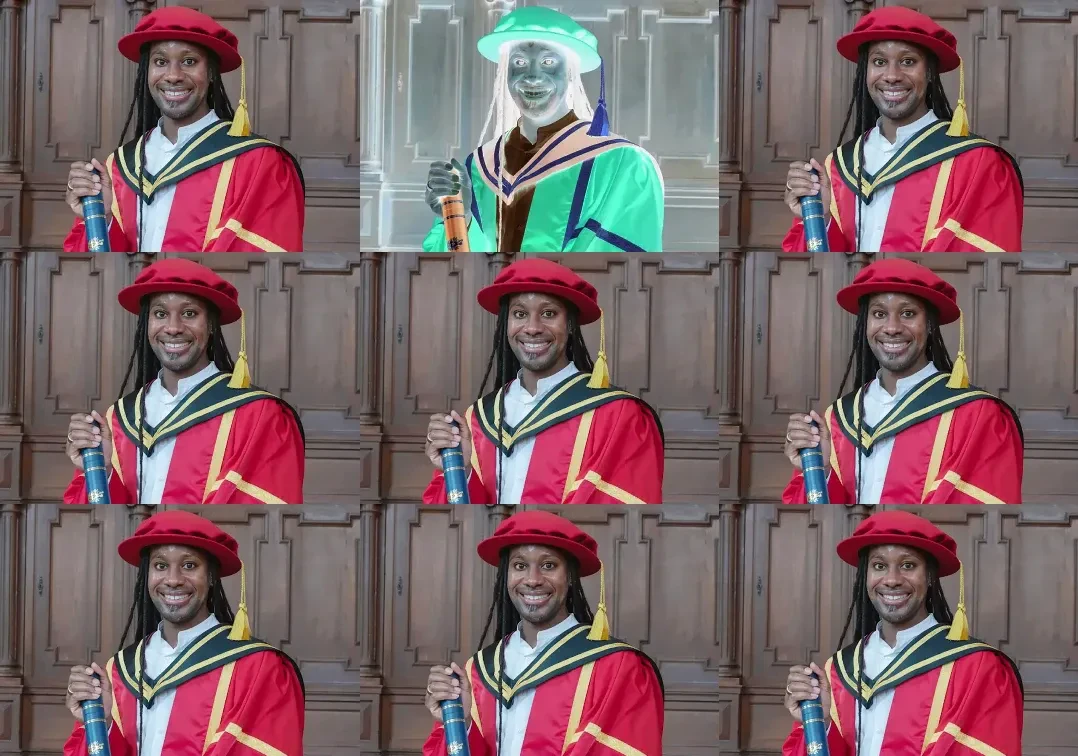
The Jason Arday case, or how much it costs to verify too late
The biography of the professor who didn't speak as a child was bought by everyone and checked only once checking it had become free.
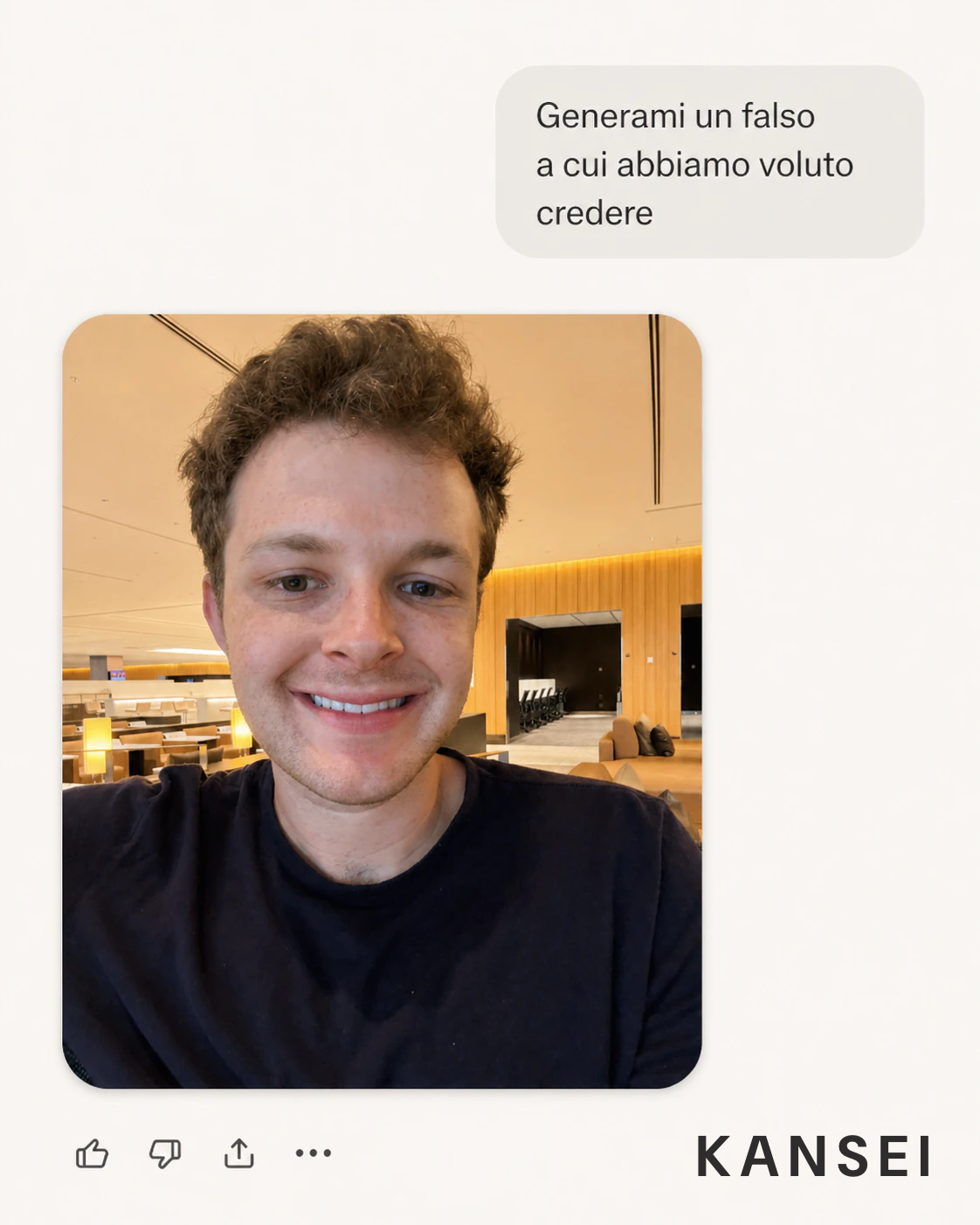
Sam Altman on Grindr wasn't an AI story
For a few hours we believed Sam Altman was on Grindr. Let's talk about it.
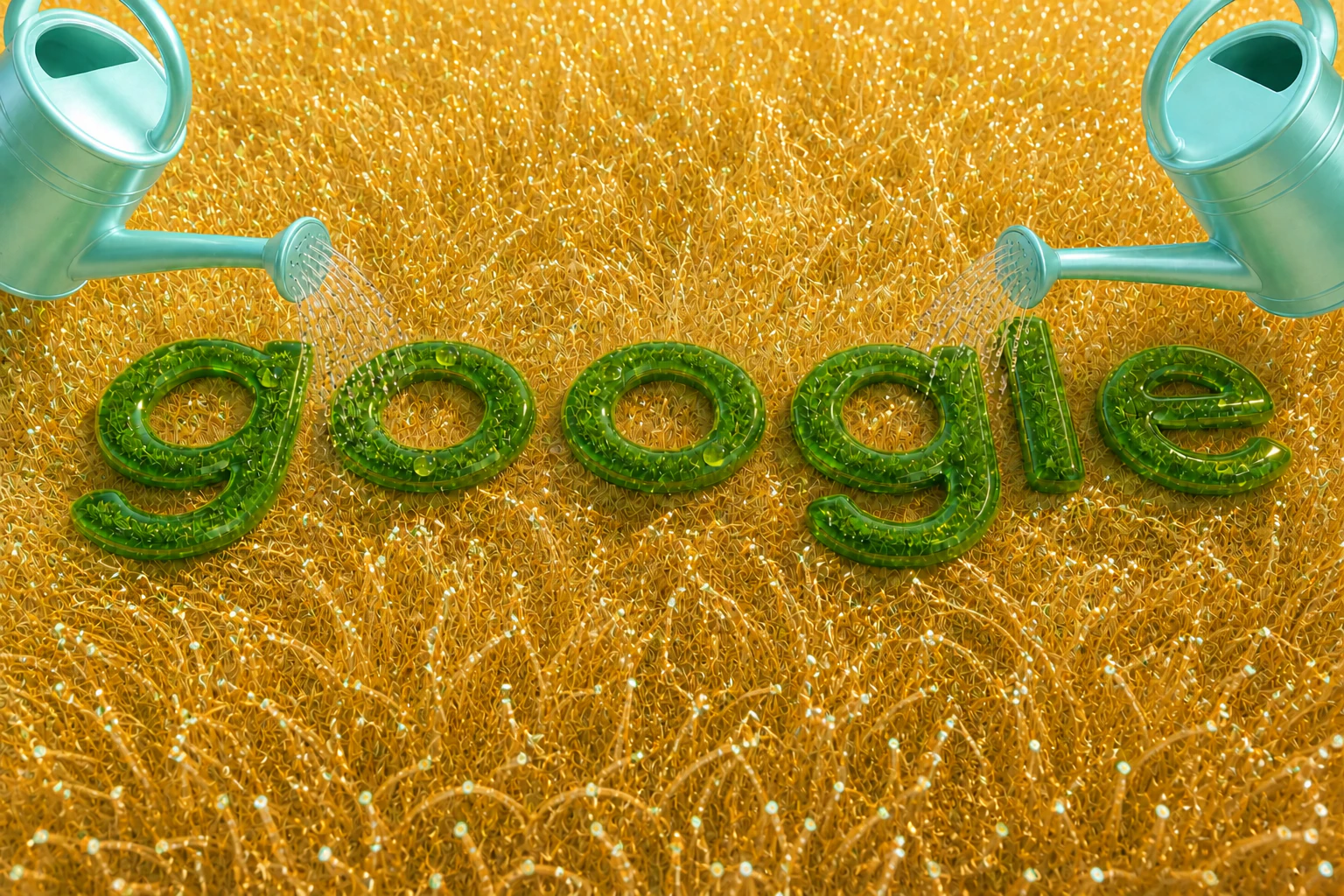
How Google Is Turning the Internet into a Place We No Longer Need to Visit
For thirty years, search engines told us where to go. With artificial intelligence, they're learning to give us directly what we were looking for. The problem is what happens to the Internet when we no longer need to click.

It's impossible not to judge Ariana Grande's body
Those who insult her and those who claim to be worried end up doing the same thing. In physical life we judge constantly, but almost all those judgements die where they were born. Platforms have turned the possibility of thinking something into the apparent right to publish it.

The Backrooms as a tourist destination
Born as an online legend, the Backrooms have become a collective territory to explore, map and expand. New research proposes treating them as a form of digital tourism, where the internet doesn't serve to reach a place: it is the place itself.

From Ferran Torres to Bellingham: how social media turned the 2026 World Cup into a male beauty pageant
Bellingham, Ferran Torres and even a goalkeeper who wasn't at the tournament: fan accounts, GQ, Variety. This summer we stared at footballers' bodies, and for once nobody pretended otherwise.
Cultura
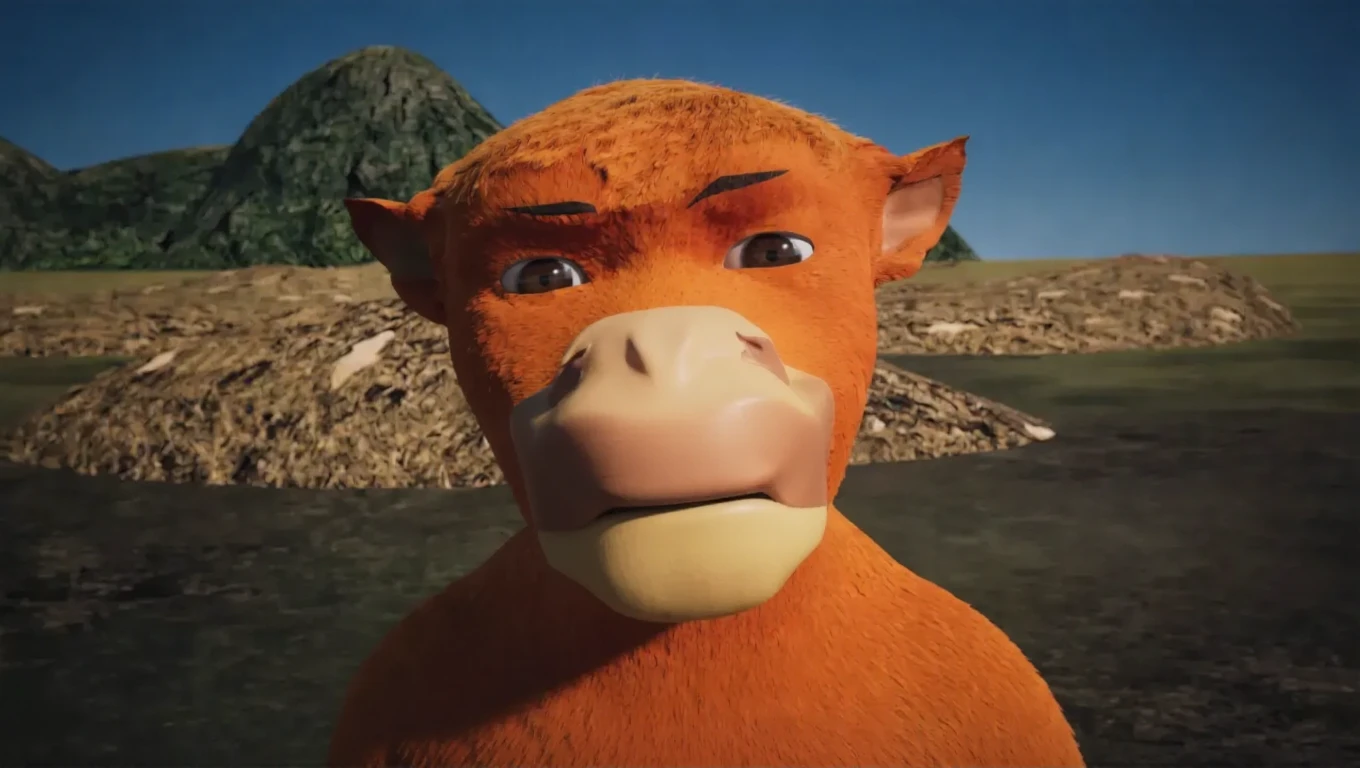
China's worst film became a hit because everyone was recommending it as a joke
Niu Lai, a rudimentary animated film released on 5 August, had grossed seven thousand yuan in ten days, with screenings in front of about ten people. On 17 August it made 8.2 million in a single day.

The internet has decided Erling Haaland is a 'babygirl'
The Norwegian striker stands six foot five, scores with the efficiency of an industrial machine, and carried Norway all the way to the World Cup quarter-finals. Online, though, he posts selfies with bunny filters, wears printed silk pyjamas, and handles memes better than the people who make them
Società
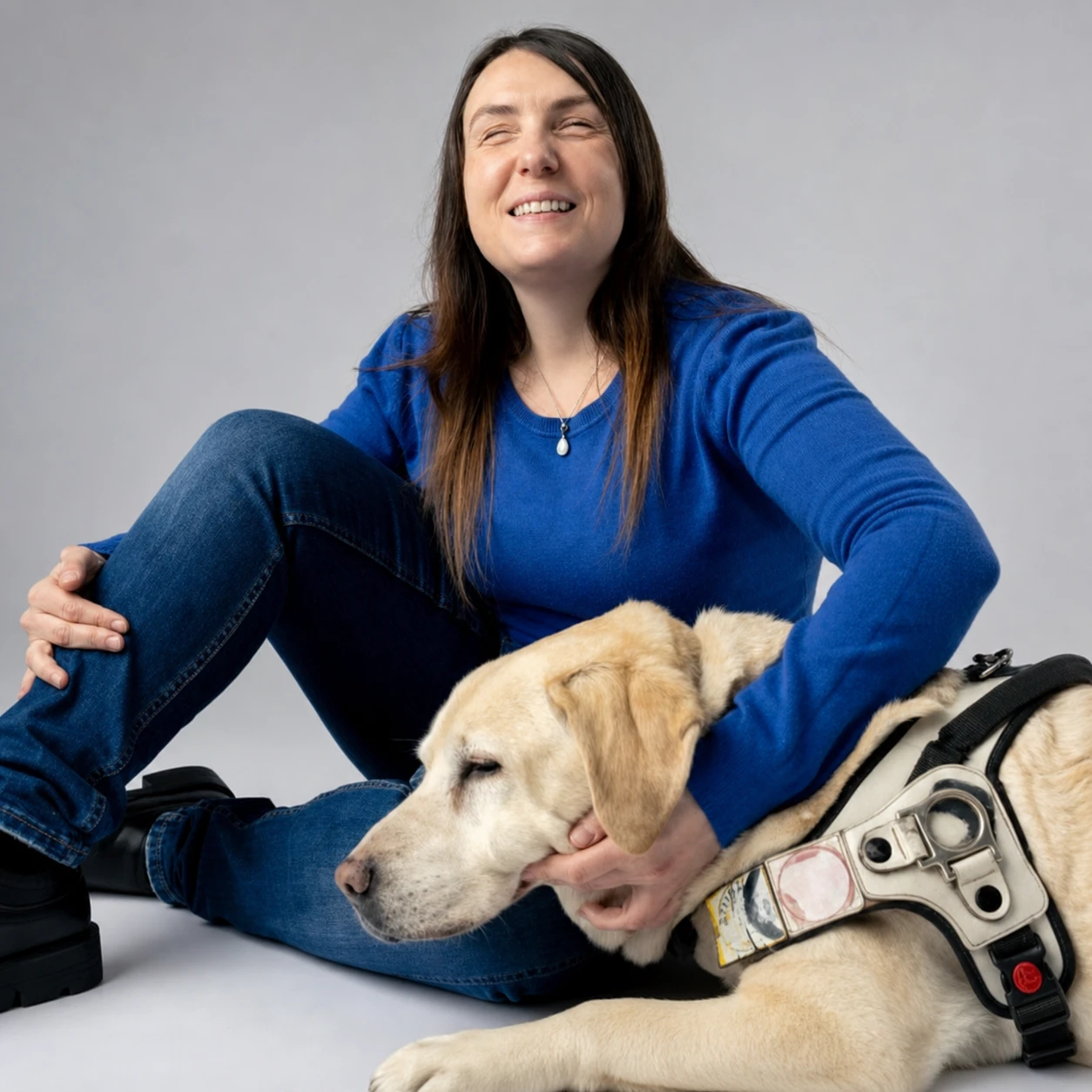
A certification to show off
Dajana Gioffrè, a visually impaired activist for the rights of people with disabilities and advocacy manager at Accessiway, a company working on digital accessibility, discusses the topic of disability with us on the occasion of Disability Pride Month

Dressing to be invisible to AI
Makeup, prints and transparent masks designed so that a facial recognition system cannot extract the geometry of a face. They are not meant to hide you: they are meant to keep you visible to people and unreadable to machines. And they work for as long as few people wear them.

Portrait of Looksmaxxing
A twenty-year-old who calls himself Clavicular turned his own jawline into a company.
Attualità

Dolly Parton and the lost luxury of a shareable celebrity
Federal flags at half-staff until sunset on September 1, 2026, and tributes pouring in from politicians, musicians, and actresses signal the rarity of a figure capable of holding together rural roots, faith, enterprise, philanthropy, and female autonomy without being seized by any single tribe.

How Bumble changed the rule that had made it Bumble
From August 11, anyone can send the first message on Bumble. The company justifies the decision with conversation metrics, without publishing its effect on retention and subscriptions. The rule that defined the brand has become a product variable

Do people who use more sunscreen get more cancer?

When must a newsroom disclose its use of AI?
On 23 July 2026, the Associated Press updated its internal rules on artificial intelligence: according to the announcement, AI may now assist with preliminary research, translations, summaries, headlines, and even software development, always under human review. AP reaffirms its ban on creating, altering or enhancing journalistic photographs with generative AI. The most interesting — and least clear — point lies elsewhere: AP says it will inform the public when AI plays a "material" role in published content, but the public document does not explain where that threshold actually begins. (ap.org)