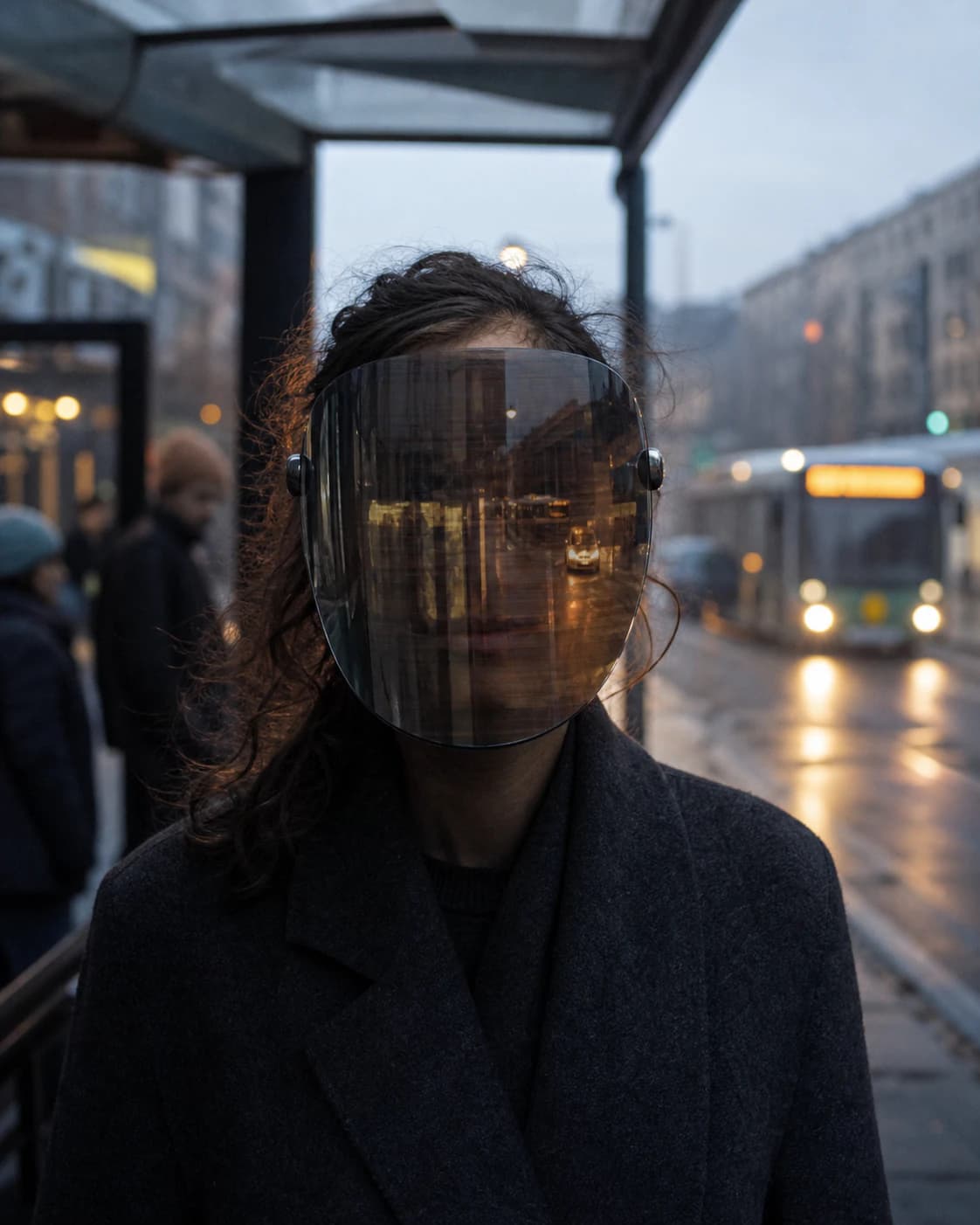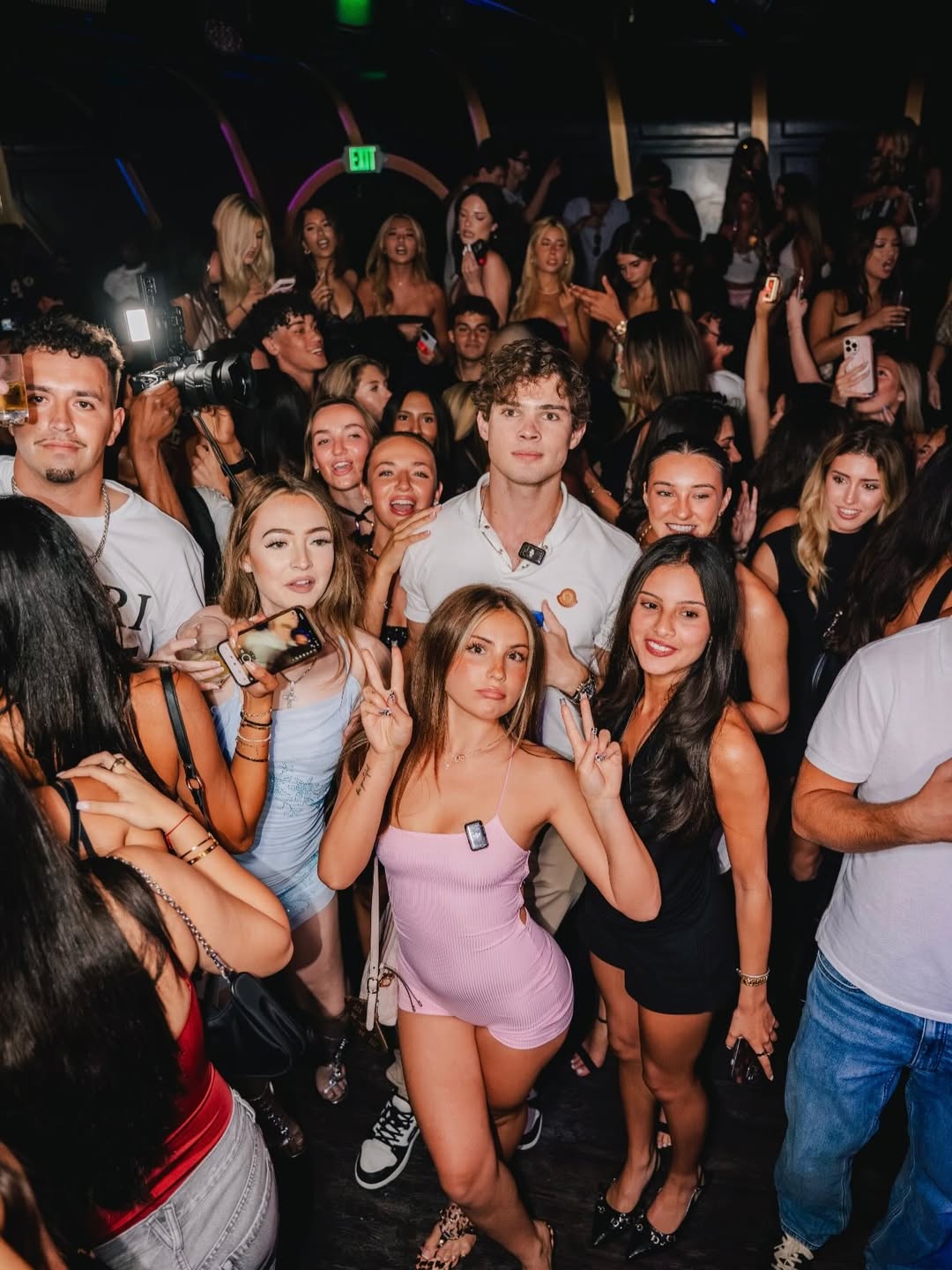
A twenty-year-old who calls himself Clavicular has turned his own jawline into a company. The internet mocks him, the press studies him as a symptom, and meanwhile the case swells until it looks like a movement.
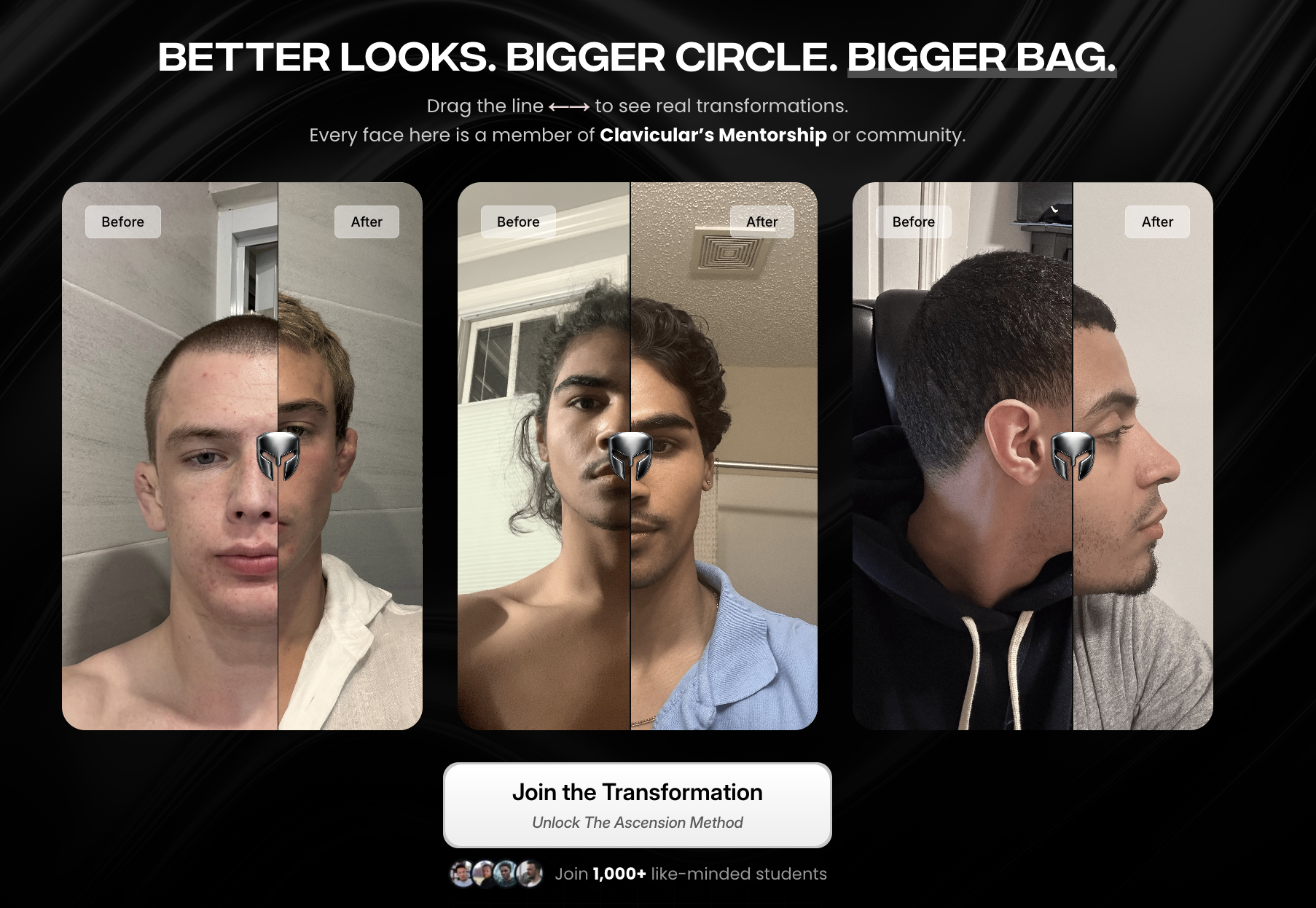
Let's start with the words. Incel stands for involuntary celibate: an online subculture of men who blame their romantic and sexual failures on their looks and their genes. Their doctrine, the blackpill, is fatalist: genes are destiny, the face is fixed from birth, give up. Looksmaxxing is the opposite move: maximizing your own aesthetic value. In the soft version it means the gym and skincare; in the hardcore one, facial rating scales, hammer blows to the bone, the scalpel.
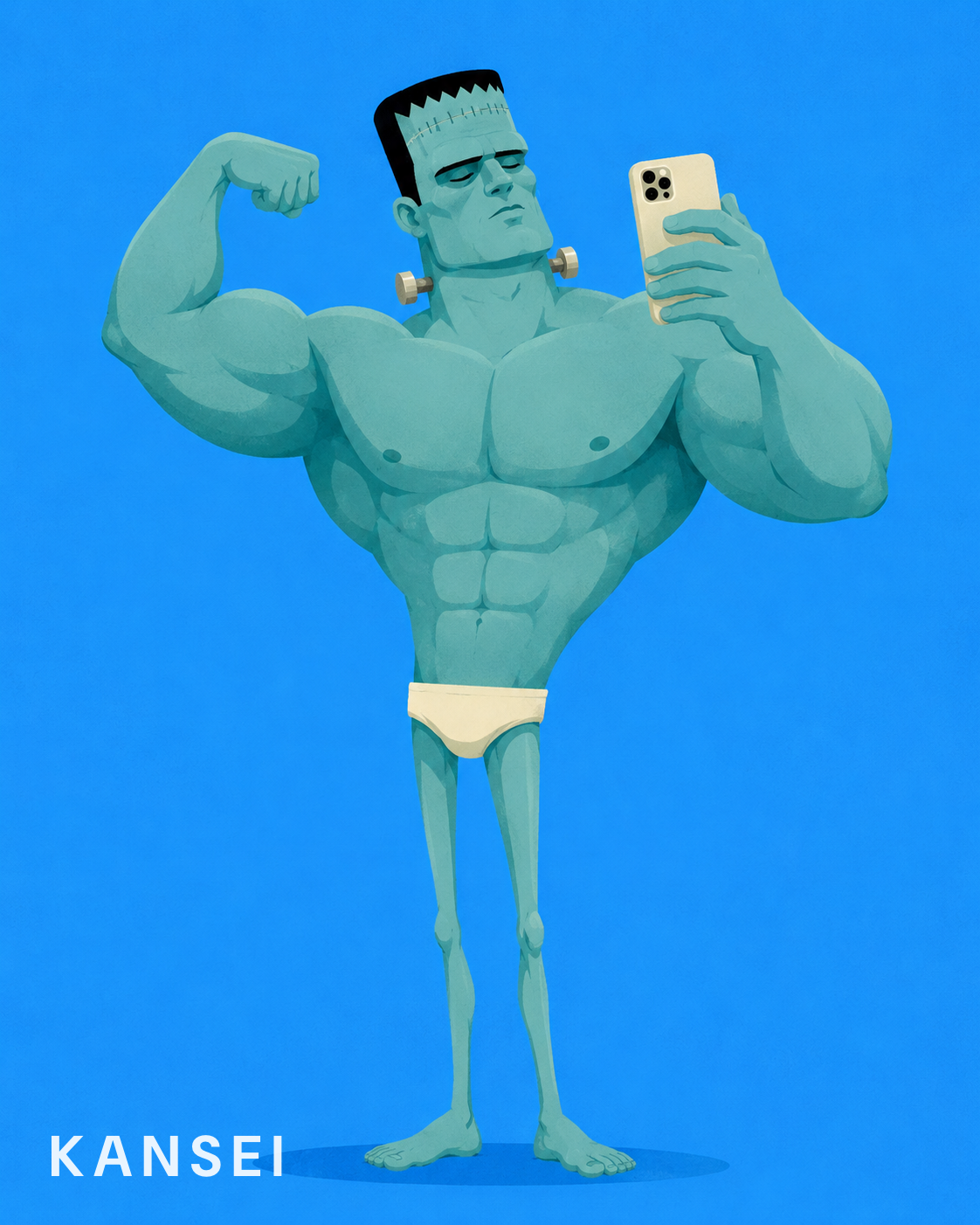
Clavicular, whose legal name is Braden Eric Peters, is the face of this world. Twenty years old, roughly a million followers across TikTok and Kick, a site selling "The Clavicular System": a method to "exceed your genetic potential." In April 2026 he collapsed on a live stream, described by several outlets as a suspected overdose, and ended up in a Miami hospital.
Here there's already an interesting mutation. The classic incel was resigned: if bone is destiny, filing it down is an illusion. Looksmaxxing flips the posture without touching the metaphysics: no longer surrender, but self-transformation of the body to attract and to like oneself. The incels, in a sense, have discovered sex. The verb changes, not the theology: the ascent is still dictated by biology.
An enormous wave of coverage has poured onto Clavicular: the Atlantic, the New York Times, CNN, NPR. A clarification is needed here. The media footprint is gigantic; the actual practice, not so much. The 2024 Piper Sandler survey records teen beauty spending at its highest since 2018: soft grooming is mass. Ideological looksmaxxing, the kind with the hammer blows to the face, is a niche. A niche with a megaphone.
From here, two hallucinations.
The first is the phenomenon. The generational movement doesn't exist: it's an effect of the suffix -maxxing, born on incel forums and turned into the perfect headline hook for trend journalism, replicable and endless (gymmaxxing, moneymaxxing, mewing), able to make people believe there's an army behind the word. To name is to make exist.
The second is the model. Outside the "beauty icon" framing, Clavicular isn't admired: he's mocked. CNN likens him to a sideshow act. In February a meme, "frame mogged," sends him viral because, by looksmaxxing's own metrics, an ordinary student outclasses him. The public doesn't emulate: it laughs.
There is, finally, a third hallucination, optical, literal. The front-facing camera at thirty centimeters enlarges the nose by about 30%: the lens lies, showing a flaw that isn't there. Before the public hallucinates a model, it's the subject who hallucinates his own face.
Let's put the pieces together. A kid the internet treats as a sideshow, passed out on a live stream, in all likelihood a desperate one, is looked upon as an ideal. We see a model where there's a symptom, a movement where there's a single case. The phenomenon that doesn't exist already has an author, and it isn't him: it's the attention industry that looks at him and believes it sees.