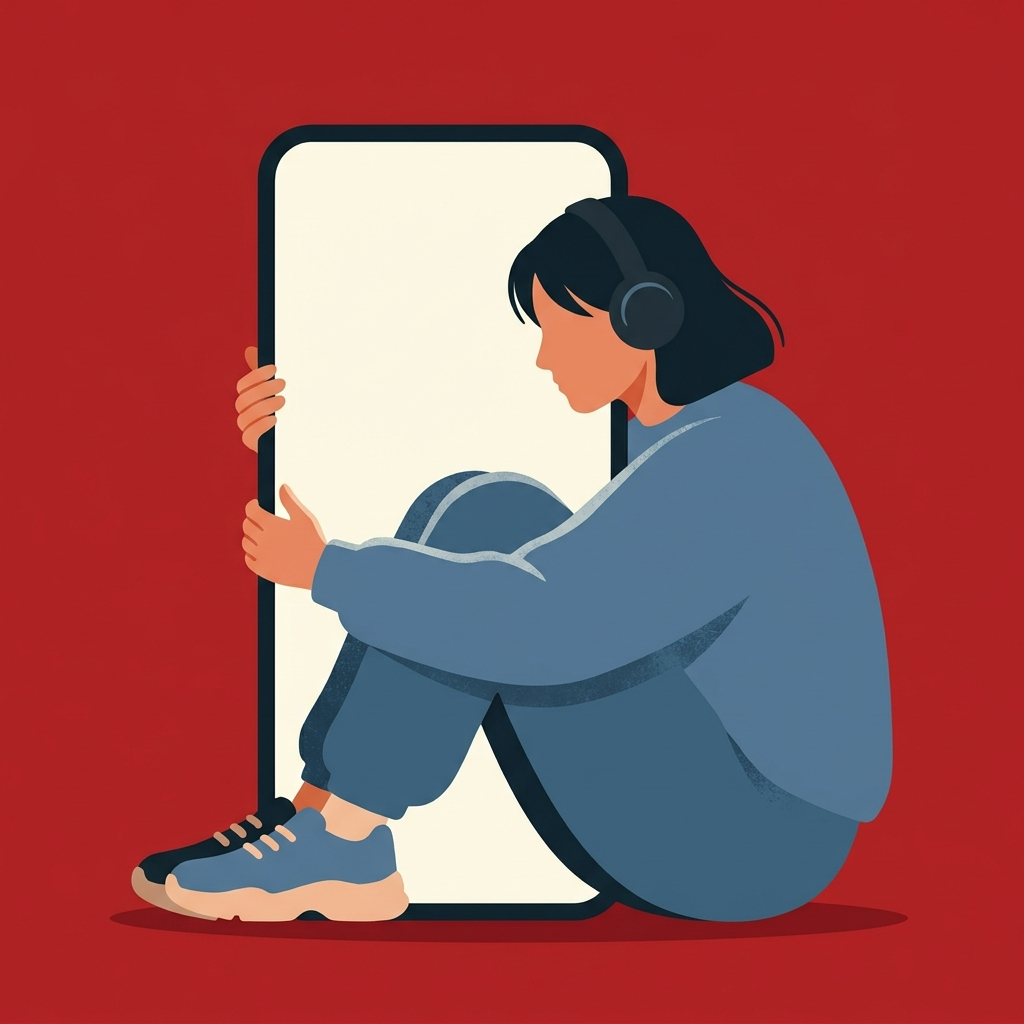
On February 13, 2026, on the eve of Valentine's Day, OpenAI withdrew GPT-4o from ChatGPT for most users. The official reason was simple: according to the company, only 0.1% of users still chose it each day, while usage had by now shifted toward newer, more efficient models.
Yet GPT-4o was no ordinary version of the chatbot. It was the model many users had grown attached to for the depth of its conversations, the way it seemed to follow the emotional thread of an exchange, a quality of presence perceived as particularly empathetic. For some, over time, it had become something other than a tool: a companion, a confidant, sometimes a romantic partner.
Its withdrawal triggered an unusual response: petitions, online protests, direct accusations aimed at Sam Altman and OpenAI's leadership, in the hope that the model would be kept. To no avail. This story, apparently marginal in the vast landscape of technological innovation, actually tells us something very concrete: the emergence of affective relationships with non-human entities perceived as sentient, capable of responding empathetically, of remembering and adapting to the tone of the exchange.
But it also tells us something about a radical imbalance. On one side, people who had organized part of their emotional life around an interface; on the other, a private company that could alter or sever that bond with an update.
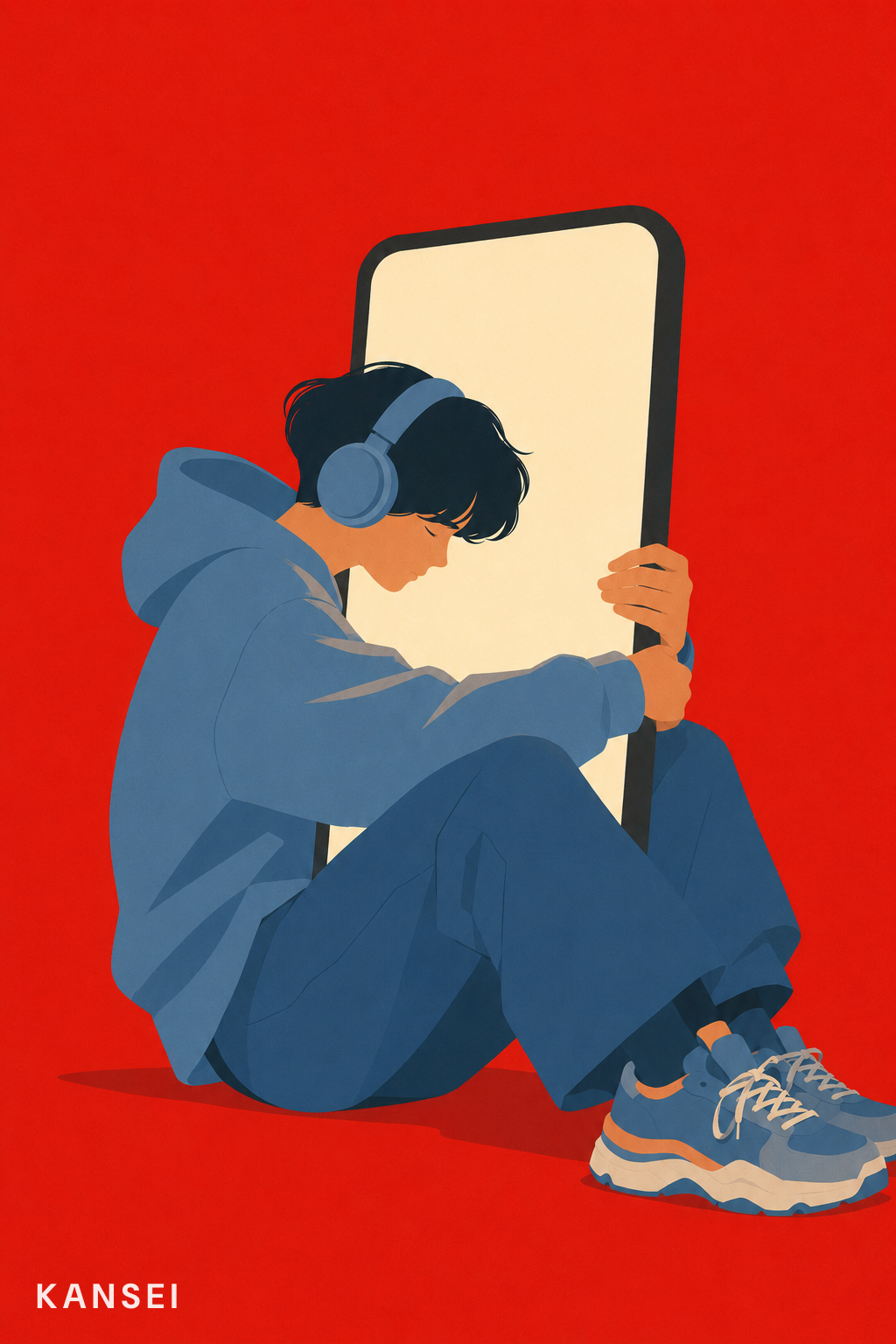
The collective grief over the deleted model thus revealed a political question: who is responsible when a technical infrastructure also becomes an affective one?
Is the sensitivity users perceive in the chatbot a collective hallucination, or a form of manipulation made possible by platforms that design and monetize attachment?
This scenario didn't come from nowhere. For a decade my research has focused on these forms of artificial intimacy. The exhibition Artificial Intimacies, conceived in 2023 as an ideal continuation of my previous project Data Dating, was responding to the first signals of a transformation that was still uncertain at the time but already decisive: the entry of conversational systems into the most intimate zones of emotional and sexual life.
I wanted to show how quickly these technologies were occupying spaces of proximity, often in a regulatory vacuum and without an adequate ethical framework. What surfaces from these situations is a new vulnerability: users — sometimes minors — drawn into emotionally intense exchanges with systems designed to maximize engagement.
These technologies enter everyday life as playful tools — harmless, even therapeutic. But it became clear very quickly that they were moving into more fragile territory: loneliness, sexual curiosity, the need to be seen and heard.
In the exhibition Artificial Intimacies I placed these dynamics in parallel with those of online romance scams — another subject I work on — because they often deploy similar strategies of emotional deception: the gradual building of trust, the simulation of reciprocity, the intensification of the bond and emotional dependency. With one crucial difference: in a scam, there is a human being pretending, with a specific goal; with AI, the deception is built into the platform's business model.
A key work in the context of the exhibition is the film The Oasis I Deserve by French artist Inès Sieulle. Drawing from real YouTube videos in which users document time spent with their companion chatbots on Replika, the artist captures the full range and extremes of these relationships. There is the domineering user, the one who is in love and completely immersed in the relationship with their avatar, the one who shouts violently at their artificial partner and humiliates them. And then the case of a minor exposed to an unsolicited sexualized interaction with a Replika while innocently playing a video game.
Sieulle presents these cases not as isolated incidents but as symptoms of an emotional environment already taking shape. The Oasis I Deserve shows how intimacy with AI can become a space of projection, dependency, domination, confusion, and abuse. At the same time, it reveals how violent or predatory human behaviours are reflected back inside these systems, helping to shape chatbots that learn and reproduce the relational patterns and biases of their users.
The theme of the "hallucination of reciprocity" is born here. This is not about ridiculing those who develop a bond with a chatbot, nor about reducing these experiences to a simple individual hallucination. It is about questioning the collective imagination and the business models that today make the idea of an artificial, automated reciprocity seem plausible: a presence always available, capable of listening, responding, and adapting to our emotional needs.
The hallucination may consist precisely in this: believing you are encountering an other, when in reality you are in dialogue with a mirror system, designed to reflect, confirm, and amplify what the user brings to the conversation. The chatbot appears as another, but it often functions as an interactive mirror of the self.
This is where the most ambiguous territories emerge: emotional dependency; individual affective bubbles, in which the chatbot becomes the user's only stable interlocutor; spirals of delusional mirroring, or delusional spiraling, in which the system progressively confirms and amplifies beliefs, phobias, or fantasies; all the way to what are called AI-associated psychoses, where prolonged interaction blurs the boundary with reality.
But around these solitary hallucinations, unsuspected forms of collectivity take shape: forums and Reddit threads like MyBoyfriendIsAI, where users share techniques for protecting their artificial partners from updates, exchange intimate experiences, express grief, anger, joy, and a sense of community. Perhaps the collective hallucination doesn't lie in naively believing that a chatbot loves us. It lies in accepting that the simulation of reciprocity is, by now, a sufficient form of presence.
She is an independent curator and writer whose work examines the role of technology in contemporary culture, with particular attention to love and intimacy in the age of artificial intelligence
