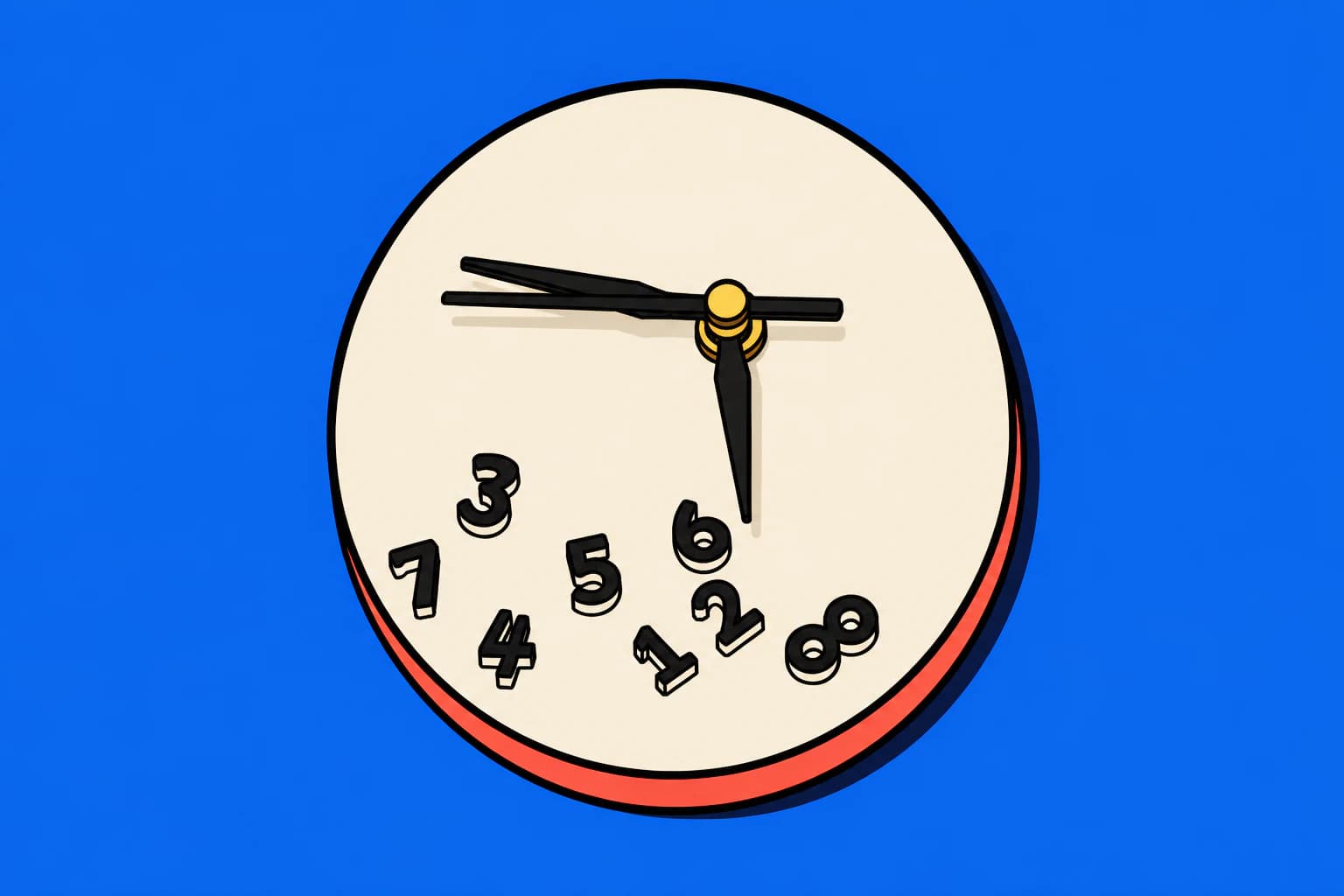
I live, like everyone, in the terrible hallucination that time is infinite. Clearly it isn't. This summer reminded me how deeply I inhabit a double illusion: that I have no time for the things I enjoy, and no time either for the things I should do. And I say should because the older I get, the more I understand that dismissing some primitive, ancestral morality — like taking care of others, of family — strikes me as simply pitiful. I feel pathetic, when I think about it.
I try not to think about it, but then the unexpected happens and I don't sleep for days. The illusion of doing meaningful things crowds out the time we actually have to be with the people who taught us how to live and made us who we are. So you'll forgive me if this first issue of Kansei is dedicated to three people that summer took from me.
Pietro, Francesca, and Beppe.
The first was my uncle: Don Pietro Polizzo. Don Pietro died at 94 in Niterói, having revolutionized Brazilian publishing. He had started — like so many Italians of his generation — as a newspaper vendor. My uncle taught me the value of money and that what matters, in books, is distribution. I always thought of him as a small Bezos. Small because he was short and wore a lot of rings. But he was enormous to me. My paternal grandparents died before I even existed, so he was the closest thing to a Calabrian grandfather I could have.
We imagine that the people who raised us will watch our successes with proud eyes, that they'll be there to see us become something — but very often they leave without warning. I want to turn the void of that missing gaze into a productive force. I think all of us are destined to die trying to become for others what someone or something once was for us.
I had this family dream that one day I'd talk with my uncle about the publishing business and he'd look at me not as the hyperactive kid from the poor branch of the family but as a peer. We didn't say goodbye the last time I was in Brazil because I was at a party in Copacabana. I thought I had time. The second was Francesca. I didn't go to the hospital to see her. I thought I had time. I remember her dancing in a ballroom at a Marriott in Zamalek, teasing Luigi Santarelli in Barcelona, rescuing the dog Aristotele from drowning in Puglia. The memories make me smile, but holding back the tears is an effort that serves no purpose.
I've entered that phase of life where I start thinking about death: adulthood. The phase where you tell yourself you don't want to have regrets, but you do; that you'd have liked to spend more time with the people you loved, but you didn't. This society of doing, of consuming — certainly not of thinking — tells us that it isn't death that defines our lives but the things we do while life happens to us. To me that's a very Calvinist reading of the situation, because maybe we are far more defined by what we don't do than by what we find ourselves doing. And so we are also what we were not able to be: present, every time we would have wanted to be. But our absence defines us in the eyes of those who loved us far more than our presence ever did. Absence is a deep groove. You run your finger along it and find the shape of someone.
Beppe taught me that. He had been a Brother in Christ for a while, but then he met Silvia. Beppe was a wonderful history and philosophy teacher, he used to take me hiking in the mountains when I was little and tell me stories. He was also a terrific writer — he published two novels with L'Araba Fenice. He was working on a third, set, if I remember correctly, during the European Wars of Religion. He used to tell me that religion had always been a great identity and historical hinge for the peoples of Europe, and that without understanding Christ and the history of those who pray to him it was impossible to make sense of so many things in contemporary history — like the role of Russia, or why France and Germany are always at odds.
Europe is a place of fallen empires, never forgotten, Beppe told me about twenty years ago on La Maddalena. For many reasons I think he was right. I saw Beppe for the last time at my wedding; I told him about my research at KVA, we talked about God, but what I would really have loved was to hear him speak one last time about his books and the history of Europe, or tell some story about some wild Jesus-worshipper in the French mountains, seven hundred years ago.
We can no longer hear Beppe's words on the wars of religion, but in August — in memory of my favourite emperor too — we will write about empires and emperors.
The other day I was mindlessly scrolling Instagram and stopped on a reel that moved me. A grandmother's grandson had helped her write a story inspired by her own life and published it on Amazon. In the video the grandmother was in tears, and hugging her grandson she said: “we made something, something remains”. Neither the name nor the date: write this on our headstone, mine and that grandmother's. We don't have enough time, but spending a life well means making something that remains.
Finally, truly, thank you to all of you who gave a little of your time to our words and to those of our agents. Thank you for reading the first issue of Kansei, HALLUCINATIONS. Next issue: EMPIRES.
It al o-B ra zi lia n au tho r, en tre pre ne ur and mu lti di sc ip li na ry thi nk er, ac ti ve acr os s ve ntu re ca pi tal, na rra ti ve, cre ati ve tho ug ht, and re sea rch on art ifi ci al in tel li ge nce.