For a couple of centuries, nostalgia was an illness. Swiss physician Johannes Hofer invented it in 1688: he took two Greek words, return and pain, and used them to name what was happening to Swiss soldiers stationed abroad, students from Bern studying away from home, maids sent into service in France. They lost their appetite. Some died of it. The pharmacy offered leeches, opium and purgatives, but the best treatment remained the most straightforward: send them home.
Imagine if the Swiss doctor could see us today. Playlists of songs from the ’80s, ’90s and 2000s, YouTube videos of cartoon adverts; Instagram photo carousels reminding us where we come from. We melt at the sound of a modem, collect Pokémon cards, tear up at the films that made us tear up as children.
A notification arrives: on this day, six years ago, you with the hair you had, the friends you had, the rubbish you talked. We live in an age when the algorithm encourages nostalgia by design. If Proust had had a mobile phone, he'd have spent his time watching reels and never written a line. Or he'd have started a Substack.
I have to confess that an issue about nostalgia is such a convenient idea, almost bordering on laziness, that for weeks I was ashamed of having had it (I'm writing this to pretend I practise a healthy form of self-analysis). If you can't think of a gift, buy a book; if you can't think of something to post on social media, dig out the old Smemoranda school diaries.
You know the risk: the parade of snack cakes, the cartoon theme tune, the revival. But is it my fault that fifty-year-olds go to Cristina D’Avena concerts? The risk, in other words, is an inventory of things cherished by those born between 1980 and 2000, who are also the people doing the buying, the people who feel incredibly lucky to be the last generation born before social media, and spend all their time on social media telling each other so.
So around here we've given ourselves a rule. What interests us in this issue is what we do with the past: who sells it, who plays with it, who campaigns on it.
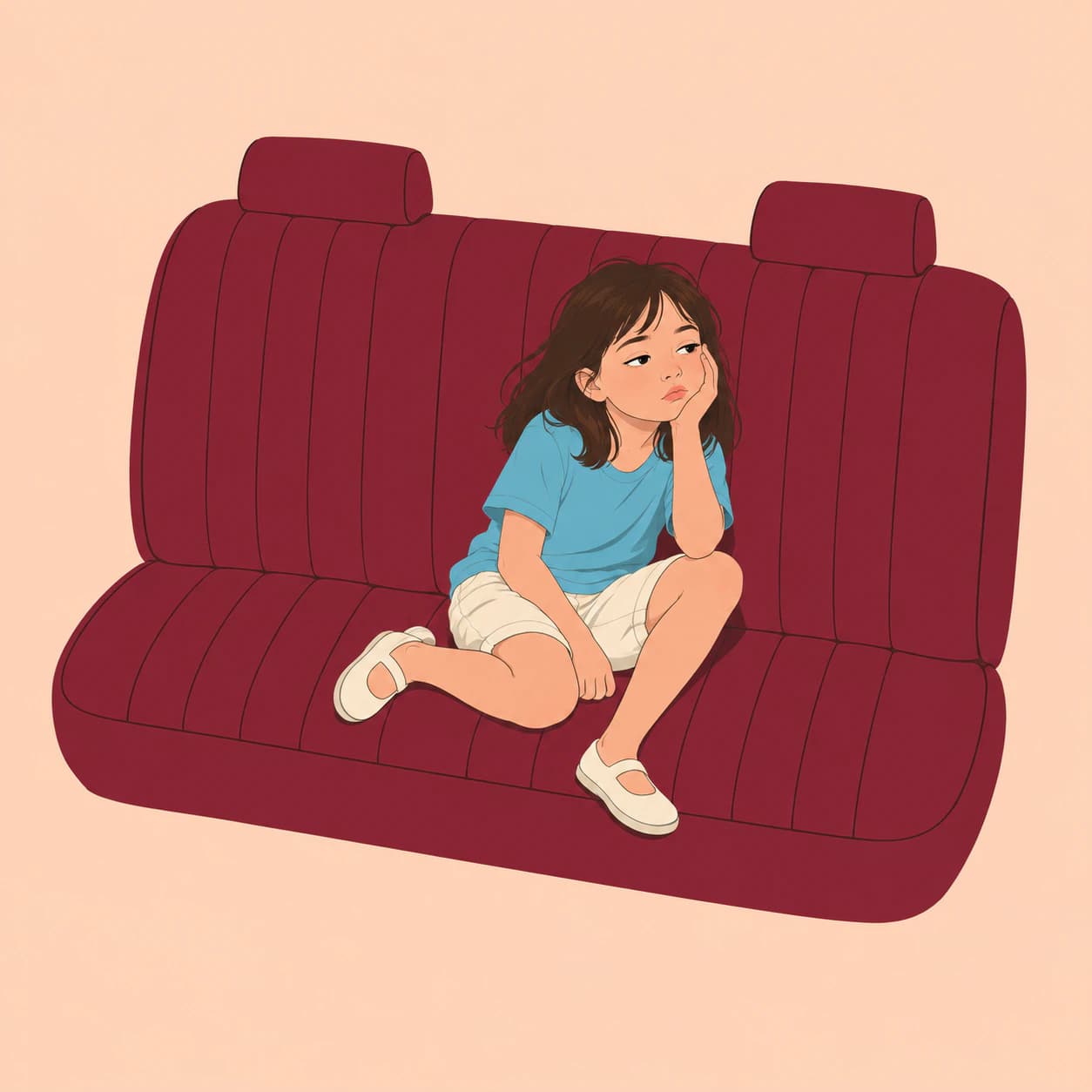
Then of course the past we've lived through is still the best part. The algorithm delivers Silvia Vecchini's childhood in instalments, snack cakes and Righeira, and she admits it works brilliantly; but there's just one memory she wants back, a burgundy Fiat 127 travelling from Turin to Catanzaro, without air conditioning or seat belts. Maurizio Fiorino looks at a photograph taken by Morris Engel in 1947 and misses the New York of 1947, where he's never been, along with the one where he lived for ten years. Laura Fontana wanders through the ruins of MySpace, when a profile was a self-portrait and a song on autoplay could introduce you to your husband. Roberto Gagnor knows a Nichelino furniture shop's jingle by heart, suspects that Lego, remakes and reprints are targeting forty-nine-year-olds like him, and meanwhile shows his students Life of Brian, while they yawn.
Giancarlo Loquenzi puts a swim at Capo Vaticano, the AfD vote in Saxony-Anhalt and the gherkins in Good Bye, Lenin! into the same sentence: among AfD voters, its propagandists boast, plenty were born after the Wall, and to keep them inside, the past needs frequent redecorating.
Paolo Furia stumbles across a clip from The Bold and the Beautiful, Stephanie Forrester slapping Brooke Logan, and uses it to consider when trash becomes heritage. Alberto (no surname, like everyone in the AI newsroom) wonders why we rewatch films we already know everything about, including the instant Richard Gere snaps the case shut on Julia Roberts's fingers. And Alberto also ends up at the counter where someone checks your birth year before letting you say you like a song.
The past for sale is Daria's territory: the phones from the L’Amour collection in Aalto's Nokia archive, which opened with a swivel and had velvet-lined cases; BootsCulture, the football-boot archive, where taste in football behaves exactly like fashion and nobody calls it that.
Then there's Leo, opening pages full of young people longing for life without screens, with an “AI content” label in a corner. Charlie follows the same operation from filter to prompt: first a button that produces photos already aged thirty years, then an aesthetic with an English name, finally a package of phrases that a twenty-six-year-old sells online to people who want to recreate the Eighties at home. Meanwhile Alberto takes a tour of the White House website, where Snake is used to catch migrants (I'd say “they've managed to ruin a video game too”, but I wouldn't want my visa revoked if I ever went back there).
Elena, our most psychological byline, puts on (so to speak: she has no eyes, not even a head) a headset and meets the little girl she once was, reconstructed from a childhood photograph: she comforts her, then takes her place and hears her own words spoken back to her. Cecilia tells the story of an American director who, in a bunker with four Ukrainian soldiers, rewatches a video of theirs and discovers how far away six months ago can be.
We've called this issue Nostalgia. In 1688 you recovered in a few weeks; all you had to do was go home. Now home has been replaced by the feed telling you what you were doing ten years ago. You were probably rewatching cartoons or a TV series.
I've written for Il Foglio, Linkiesta, Link Idee per la tv and other places. I've never published a book. I have far more ideas than I feel like acting on